If you’ve walked through a modern produce distribution center, driven past a rural farm stand with stacked crates full of peaches or leafy greens, or even ordered pre-washed lettuce from your grocery store, you’ve likely seen them: sturdy, stackable plastic pallet boxes. For years, my customers in agriculture would ask—sometimes tentatively, sometimes bluntly—whether our plastic pallet boxes were built to survive the gritty, unpredictable demands of farming, harvesting, and post-harvest handling. As a supplier who’s spent a decade designing and refining these products alongside farm operators, I’m here to answer that question plainly: not only can plastic pallet boxes work in agriculture, they’re quickly replacing wood, metal, and even corrugated cardboard as the most practical, cost-effective choice for moving and storing farm goods. Let’s break this down, from the field to the loading dock, so you can see exactly why that shift is happening. Plastic Pallet Box
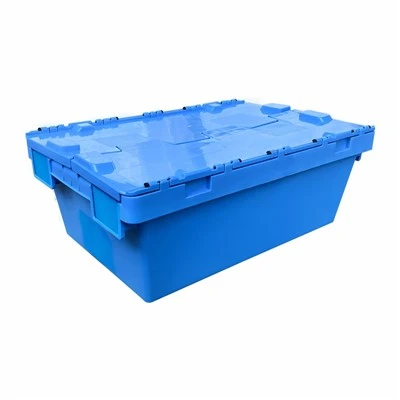
First, let’s talk about the biggest pain point most farms face when moving their harvest: damage to crops. Anyone who’s worked on a family farm knows the heartbreak of a crate full of bruised apples, squashed berries, or wilted spinach that goes to waste before it even reaches a market. Traditional wood crates and even some metal containers have big shortcomings here. Wood absorbs moisture from rain, dew, or irrigation water, and that dampness can lead to mold or rot on produce sitting in the bottom of the stack. The rough, splintered edges of old wood crates cut into soft fruits, leaving ugly marks that lower their value to buyers. Wood is also heavy—way heavier than a good plastic pallet box—so loading and unloading a truck full of them puts extra strain on workers and increases the risk of dropping a crate and spilling its contents.
Our plastic pallet boxes solve almost all of these problems, and it’s not just anecdotal. I worked with a small vegetable farm in central Ohio last year that switched from wood crates to our standard vented plastic pallet boxes. In their first season, they reported a 22% drop in post-harvest damage. The vented design lets air circulate through the produce, keeping leafy greens and delicate fruits crisp longer. The smooth, food-grade plastic doesn’t have splinters, so even fragile berries stay intact. And because plastic is durable and lightweight, stacking and moving the crates doesn’t require as much brute force, cutting down on accidental drops during harvest. That farm’s owner, a third-generation grower named Tom, told me: “We used to throw out a full crate of peaches every year because they got squished in the bottom of a wood stack. Now we only have one or two a season, if that.” That’s the kind of real, tangible benefit that turns a skeptical farmer into a repeat customer.
Next up, sanitation and compliance—and that’s a huge one in agriculture. If you’ve ever handled food that’s meant for human consumption, you know there are strict rules about what containers can touch produce, especially if it’s going to be sold to grocery chains or processed into frozen foods. Wood crates are a nightmare here. They absorb dirt, manure, and pesticide residues, and even thorough cleaning can’t get rid of bacteria like E. coli or salmonella that get trapped in the grain of the wood. Many major grocery distributors won’t accept produce that comes in wood crates anymore because of the risk of contamination. Corrugated cardboard is even worse—it gets soggy in the rain, falls apart after one use, and is porous enough to hold bacteria too.
Plastic pallet boxes? They’re non-porous, which means you can sanitize them easily with hot water, bleach solutions, or industrial-grade cleaners, and there’s nowhere for bacteria to hide. That’s not just my opinion—food safety standards from the USDA and Global G.A.P. (Good Agricultural Practices) explicitly list rigid plastic containers as an acceptable option for transporting fresh produce. We build our pallet boxes with smooth, seamless interiors to make cleaning even easier, and they’re stackable when empty, so you save space during the off-season. Last year, a large citrus farm in Florida switched to our heavy-duty plastic boxes specifically to meet the requirements of a national grocery chain that had banned wood for all incoming shipments. The farm’s operations manager told me that the switch not only let them keep that $2 million annual contract, it cut their cleaning labor costs by 30% because they no longer had to scrub grime out of wood crate cracks.
Let’s also talk about durability and long-term cost, because that’s a question I get all the time: “Plastic is cheap, but will it last more than one season?” For many farmers, the answer is a resounding yes. A high-quality plastic pallet box from a reputable supplier like mine can last 5 to 10 years, even with daily use in harsh farm conditions—think exposure to UV rays from the sun, rain, mud, and repeated drops from forklifts during loading. Wood crates, by contrast, usually last only 1 to 2 years before they crack, rot, or get infested with pests like termites. Even metal containers, which are durable, are heavy (adding to fuel costs when moving them) and prone to rust that can chip off and get on produce.
Let me do the math for you, because numbers matter. A standard wood crate for produce costs around $15 and lasts 1.5 years on average. That’s $10 per year in cost per crate. A comparable plastic pallet box from us costs $50, and lasts 7 years on average. That works out to about $7.14 per year per crate. Over 7 years, that’s a savings of $20.72 per crate, multiplied by 100 crates, that’s more than $2,000 in savings—not to mention the cost of replacing broken crates every year and the damage to crops from splintered wood. For small and large farms alike, that adds up fast. I’ve had customers who run 500-acre row crop operations tell me that switching to plastic pallet boxes saved them upwards of $10,000 a year in container costs alone, not including the reduction in crop damage.
Of course, no product is perfect, and there are a few factors to consider if you’re thinking about making the switch. The most common question I get is: “Do plastic pallet boxes work for heavy loads?” The short answer is yes, but you need to pick the right one for your needs. We offer different grades: a standard vented box for light produce like berries, leafy greens, or tomatoes, a heavy-duty reinforced box for bulk items like potatoes, carrots, or squash that weigh 50 pounds or more, and even open-top or closed options for specific uses. Some farmers worry about plastic boxes being too slippery, but we design our boxes with slightly textured bases and sides to keep produce from shifting during transport, and they’re compatible with all standard forklifts and pallet jacks, so you don’t need new equipment to use them.
Another consideration is bulk vs. small batches. If you’re a small farm that sells only at local farmers’ markets, plastic pallet boxes might feel like overkill—corrugated cardboard works well for small, one-off sales. But even small farms that sell to regional distributors or co-ops are finding that plastic boxes pay for themselves quickly, because they can be reused season after season, and there’s no cost to disposing of cardboard or old wood. For large-scale commercial farms, bulk ordering of plastic pallet boxes also comes with volume discounts, making the switch even more affordable.
I’ve also seen how plastic pallet boxes support sustainability, which is a big priority for many farmers now and for their customers. Consumers are increasingly asking where their food comes from and how it’s transported, and many grocery chains are pushing for more sustainable packaging. Corrugated cardboard creates a lot of waste, wood crates can only be recycled a few times before they become sawdust, and metal containers require a lot of energy to manufacture. Our plastic pallet boxes are made from 100% recycled high-density polyethylene (HDPE), and they’re fully recyclable at the end of their 10-year life. That means farmers can market their produce as being transported in a sustainable, low-waste way, which is a huge selling point for consumers who care about the environment.
I’ll be honest, it wasn’t always this way. When I first started in this business 12 years ago, most farmers were skeptical of plastic for agriculture. They’d seen cheap, thin plastic containers that cracked after one season, or boxes that leached chemicals into produce. That’s why my team and I focused so much on testing our pallet boxes in real farm conditions, not just in a lab. We work with dozens of test farms every year to refine our designs, adding vent holes that reduce moisture buildup, reinforcing corners to handle forklift bumps, and making sure all our products meet food safety standards. That hands-on approach is why so many of our customers have stayed with us for years, switching more and more of their operations to plastic as they see the results.
So, back to the original question: Can plastic pallet boxes be used in the agriculture industry? The answer is not just yes—they’re the future of agricultural storage and transport, for every part of the supply chain, from small family farms to large commercial operations. The benefits are too big to ignore: less crop damage, easier sanitation and compliance, lower long-term costs, and sustainability that resonates with modern consumers. I’ve seen farms turn a bigger profit, reduce waste, and even expand their customer base after switching to our plastic pallet boxes.

If you’re a farmer, farm manager, or distributor who’s been testing the waters with plastic containers, or if you’re still on the fence about whether they’re worth the investment, I’d love to hear from you. Every farm has unique needs, whether you’re growing delicate berries or bulk root vegetables, so we can work with you to find the right size, design, and number of pallet boxes for your operation. We offer flexible ordering options, volume discounts, and even a trial program for small farms that want to test our boxes for a single harvest season. Don’t let outdated ideas about plastic containers hold you back from reducing waste, saving money, and getting your harvest to market in better condition. Reach out to our team today to discuss your requirements and get a personalized quote.
Vented Collapsible Crate References
- USDA Agricultural Marketing Service. (2022). Guidelines for Post-Harvest Handling of Fresh Produce. U.S. Department of Agriculture.
- Global G.A.P. (2023). Good Agricultural Practices Standard for Fresh Produce. Global Food Safety Initiative.
- National Agricultural Statistics Service. (2021). Post-Harvest Losses in U.S. Fresh Fruit and Vegetable Production. USDA.
- Plastic Pallet & Container Association. (2022). Sustainable Packaging Solutions for Agricultural Supply Chains.
- Food and Agriculture Organization of the United Nations. (2023). Reducing Food Loss and Waste in Smallholder Agricultural Systems. FAO.
Ningbo Simple Trading Co., Ltd.
Ningbo Simple Trading Co., Ltd. is one of the most professional plastic pallet box manufacturers and suppliers in China. With a professional production team, we are able to meet the needs of the majority of our customers. Please feel free to wholesale custom made plastic pallet box from our factory.
Address: Room 3136, North Building of Yinzhou Chamber of Commerce Building, No.1299, Yinxian Boulevard, Shounan Subdistrict, Yinzhou District, Ningbo City, Zhejiang Province
E-mail: Simpleexport@nbsimpletrading.com
WebSite: https://www.logisticsequipments.com/
