In the dynamic world of injection molding, the efficiency and quality of the production process are of utmost importance. One key component that significantly contributes to these aspects is the loader in injection molding auxiliary equipment. As a supplier of injection molding auxiliary equipment, I’ve witnessed firsthand the transformative benefits that loaders bring to the injection molding industry. In this blog, I’ll delve into the various advantages of using a loader in injection molding auxiliary equipment. Injection Molding Auxiliary Equipment

1. Material Handling Efficiency
One of the primary benefits of using a loader in injection molding is the improvement in material handling efficiency. In a typical injection molding process, raw materials such as plastic pellets need to be transferred from storage containers to the injection molding machine. Manual handling of these materials can be time – consuming, labor – intensive, and prone to errors.
Loaders automate this process. They are designed to pick up materials from storage bins or silos and transport them directly to the hopper of the injection molding machine. This automation reduces the time spent on material transfer, allowing for a more continuous and efficient production process. For example, a well – designed loader can transfer materials at a consistent rate, ensuring that the injection molding machine always has a sufficient supply of raw materials. This eliminates the need for operators to constantly monitor and refill the hopper, freeing them up to focus on other critical aspects of the production process.
2. Consistent Material Quality
Maintaining consistent material quality is crucial for producing high – quality injection – molded products. Loaders play a vital role in ensuring this consistency. They are equipped with features that prevent contamination and ensure that the materials are delivered in a uniform manner.
For instance, loaders can be fitted with filters to remove any dust or foreign particles from the raw materials. This helps to prevent defects in the final products that could be caused by contaminants. Additionally, loaders can be programmed to deliver a specific amount of material to the injection molding machine, ensuring that the same amount of material is used for each molding cycle. This consistency in material usage leads to more consistent product quality, reducing the number of defective products and improving overall production yields.
3. Cost Savings
Using a loader in injection molding auxiliary equipment can result in significant cost savings in several ways. Firstly, as mentioned earlier, the automation of material handling reduces labor costs. Fewer workers are needed to handle the raw materials, and the time spent on manual material transfer is minimized. This not only reduces the direct labor costs but also allows companies to reallocate their workforce to more value – added tasks.
Secondly, loaders help to reduce material waste. By accurately delivering the required amount of material to the injection molding machine, there is less over – feeding or under – feeding of materials. This reduces the amount of scrap generated during the production process, which in turn lowers material costs. Moreover, the consistent material quality achieved through the use of loaders reduces the number of defective products, further saving on the cost of rework and waste disposal.
4. Improved Workplace Safety
Workplace safety is a top priority in any manufacturing environment, and injection molding is no exception. Manual handling of raw materials can pose several safety risks, such as back injuries from lifting heavy containers and the risk of exposure to dust and other hazardous substances.
Loaders eliminate many of these risks. They are designed to handle materials in a safe and controlled manner. For example, they can be equipped with safety sensors to prevent accidents during material transfer. Additionally, since the materials are handled automatically, there is less need for workers to be in close proximity to potentially dangerous machinery or materials, reducing the risk of workplace injuries.
5. Flexibility and Adaptability
Injection molding processes often require the use of different types of materials and colors. Loaders offer a high degree of flexibility and adaptability to meet these changing requirements.
Modern loaders can be easily programmed to handle different types of materials, such as different grades of plastic or additives. They can also be configured to switch between different colors quickly and efficiently. This allows injection molding companies to produce a wide variety of products without the need for extensive retooling or downtime. For example, a loader can be set up to deliver a specific color of plastic pellets for a particular production run and then be quickly reconfigured to deliver a different color for the next run.
6. Enhanced Production Capacity
By improving material handling efficiency, ensuring consistent material quality, and reducing downtime, loaders can significantly enhance the production capacity of injection molding operations. With a loader in place, injection molding machines can operate at a higher rate of production, producing more parts in less time.
The continuous supply of materials provided by the loader allows the injection molding machine to run continuously without interruptions for manual material refilling. This results in a higher throughput of products, enabling companies to meet customer demands more quickly and efficiently. Additionally, the reduced number of defective products means that more of the produced parts are of acceptable quality, further increasing the overall production capacity.
7. Remote Monitoring and Control
Many modern loaders come with advanced features for remote monitoring and control. This allows operators to monitor the performance of the loader and the injection molding process from a remote location.
Remote monitoring capabilities enable operators to check the status of the loader, such as the material level in the hopper, the flow rate of materials, and any potential issues or malfunctions. They can also make adjustments to the loader settings, such as the material delivery rate or the filter cleaning schedule, without having to be physically present at the machine. This not only improves the efficiency of the production process but also allows for quick response to any problems that may arise, minimizing downtime.
8. Integration with Other Equipment
Loaders can be easily integrated with other injection molding auxiliary equipment, such as dryers, blenders, and conveyors. This integration creates a seamless and efficient production line.
For example, a loader can be connected to a dryer to ensure that the raw materials are properly dried before being fed into the injection molding machine. It can also be integrated with a blender to mix different types of materials or additives in the correct proportions. This integration of equipment streamlines the production process, reduces the need for manual intervention, and improves the overall quality and efficiency of the injection molding operation.
Conclusion
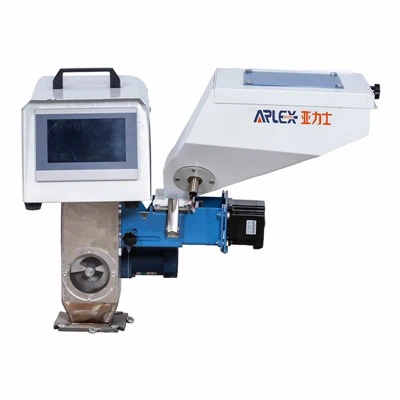
In conclusion, the benefits of using a loader in injection molding auxiliary equipment are numerous and significant. From improving material handling efficiency and ensuring consistent material quality to reducing costs and enhancing workplace safety, loaders play a crucial role in the success of injection molding operations.
Hopper Dryer As a supplier of injection molding auxiliary equipment, I understand the importance of providing high – quality loaders that meet the specific needs of our customers. If you are looking to improve the efficiency and quality of your injection molding process, I encourage you to consider the benefits of using a loader. Contact us to discuss your requirements and explore how our loaders can help you achieve your production goals.
References
- Campbell, F. C. (2012). Manufacturing Engineering & Technology. Pearson.
- Rosato, D. V., & Rosato, D. V. (2004). Injection Molding Handbook. Kluwer Academic Publishers.
- Throne, J. L. (1996). Introduction to Polymer Processing. Marcel Dekker.
Ningbo Yalishi (Arlex) Plastic Machinery Co., Ltd.
Ningbo Yalishi(Arlex) Plastic Machinery Co., Ltd. is one of the most reliable injection molding auxiliary equipment manufacturers and suppliers in China, featured by quality products and low price. Please rest assured to wholesale cheap injection molding auxiliary equipment made in China here from our factory. Customized orders are welcome.
Address: No.63, Huangsu East Road, Industrial Zone, Dongqian Lake Tourist Resort, Ningbo, Zhejiang Province
E-mail: leo@arlex.cn
WebSite: https://www.arleximm.com/
