As a silicone baby tableware supplier, I get this question all the time when I talk to new parents who are switching from plastic or ceramic for the first time: “What’s the deal with silicone transparency?” Most people assume transparency is just about how something looks—clear products feel more trustworthy, right? But for baby gear, especially tableware that touches food and gets chewed on, transparency goes way beyond aesthetics. I’ve been working with silicone baby tableware for 7 years, and I’ve seen first-hand how a product’s clarity can tell you exactly what it’s made of, how it’s manufactured, and whether it’s safe for your little one. Let me break this down simply, no industry jargon, just real answers from someone who’s on the factory floor and talking to parents every week. Silicone Baby Tableware
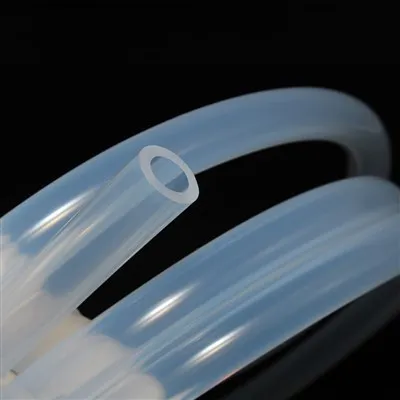
First, let’s start with what silicone baby tableware is, because not all silicone is the same. Medical-grade silicone (the stuff we use for our products) is a polymer made from silicon, oxygen, carbon, and hydrogen. It’s been tested for medical use—think of it as the same material used in breast implants, pacifier nipples, and surgical tools. The transparency of this silicone is not a random feature; it’s a direct result of the resin formulation and how it’s cured. Most low-quality silicone baby tableware you might find online is made from food-grade industrial silicone, which is cheaper but has impurities. That’s usually the stuff that’s opaque, often with a dull white or slightly yellow tint. Why? Because industrial silicone is loaded with fillers to cut costs—things like calcium carbonate or talc, which make it thicker but also unsafe for babies. Those fillers block light, so you can’t see through the material. Medical-grade silicone, on the other hand, has almost no fillers. Its polymer structure is uniform and dense, which lets light pass through. That’s why our silicone plates and spoons have a gentle, matte transparency—you can see a faint outline of your hand through the edge, but it’s not so clear that it feels flimsy.
Wait, but not all transparent silicone baby tableware is good, right? I’ve seen cheap products that are super clear, almost like glass, and those are a red flag. That’s usually made with 100% pure silicone, but it’s not medical-grade. It’s the kind of silicone used for caulk or sealants, and when you heat it up (like putting a silicone bowl in the microwave), it leaches chemicals. Our silicone is formulated to be slightly semi-transparent, not fully clear. That balance is key. Full transparency often means the silicone is too soft, or it has additives that make it more flexible but not safe. Our team spent 18 months testing different formulations to get that right—semi-transparent enough to confirm the material is pure, but opaque enough to meet safety standards.
Another big point: transparency and durability. A lot of parents think opaque silicone is less durable, but that’s not true. The fillers in cheap opaque silicone actually make it stiffer, so it doesn’t bend as much. But when a baby chews on it or drops it, the filler makes it crack. I’ve had customers send back products where the opaque plate split after a week—because the fillers create weak points in the material. Our semi-transparent silicone has no fillers, so it can bend up to 300% without breaking. We test all our products by dropping them 10 times from 3 feet onto a hardwood floor, and they still look the same. That durability comes from the pure silicone, which shows in that gentle transparency.
Now, the safety side is what matters most. A few years ago, I had a mom come to me upset because her baby had a rash after using a set of silicone spoons she bought online. She said the spoons were opaque, and when she washed them, they had a weird white film. I tested those spoons—they were made with industrial silicone loaded with fillers, and when they touched hot food, the fillers leached. Transparency is a quick way to spot that. If you can see through a silicone product, you can at least confirm it’s not full of random fillers. Opaque silicone that’s not medical-grade is almost always loaded with stuff you don’t want near a baby’s mouth. The FDA and EU have strict standards for silicone baby tableware, and one of the tests they do is check for “extractables” — substances that leach from the material into food or saliva. Medical-grade silicone, which is semi-transparent, passes these tests because it’s uniform. The opaque, filled silicone almost always fails.
I should also talk about color, because a lot of people assume colored silicone is less transparent. That’s a myth. We dye our silicone baby tableware with FDA-approved food-grade pigments, and we never add heavy metals like lead or cadmium. The pigment is mixed evenly into the silicone polymer, so it doesn’t block light completely. That’s why our light blue or pink plates have a soft, see-through quality—you can tell the pigment is just a coating, not filler. Cheap colored silicone, on the other hand, has pigment mixed with fillers, which makes it super opaque. That’s another red flag. If your silicone plate is bright and completely impossible to see through, check the label—chances are it’s loaded with fillers.
Another thing I get asked: why is some transparent silicone yellowish? That’s normal, especially if it’s not a “clear” product. Pure silicone is naturally slightly off-white or translucent with a warm yellow tint. Opaque silicone is whitened with titanium dioxide, which is a filler. So a little yellow in transparency is a good sign—it means the silicone is pure, not whitened with fillers. We make sure our silicone is cured properly, which prevents it from turning yellow over time. If you have a set of silicone tableware that turns yellow after a few uses, that’s a sign it’s been cured at too low a temperature, which means it’s not durable. Our products stay semi-transparent and the same color for years, even after being run through the dishwasher a hundred times.
Let’s address a common misconception: some parents think transparent silicone is “plastic-like,” so it’s unsafe. No, silicone is different from plastic. Plastic is a petroleum-based polymer, while silicone is made from sand. Silicone is heat-resistant up to 450 degrees Fahrenheit, so you can put it in the microwave, dishwasher, or even boil it to sterilize it. Plastic melts at much lower temperatures, so it leaches when heated. The transparency of silicone doesn’t make it more like plastic—it just shows the purity of the material. Our transparent spoons and plates have been tested to be BPA-free, phthalate-free, PVC-free, and lead-free, which are the biggest concerns for parents. The FDA has approved medical-grade silicone for food contact since 1979, so you can trust that transparency is a safe indicator.
As a supplier, we make transparency a key part of our product description. Every set we sell says it’s made with semi-transparent medical-grade silicone, no fillers, and it passes all safety tests. We also share lab test results with customers who ask—no hiding anything. A lot of competitors will say their silicone is “transparent” even if it’s not medical-grade, so it’s important to read the details. If a product doesn’t mention medical-grade, chances are it’s not. The transparency of our products is a way to hold ourselves accountable. If someone doesn’t believe our silicone is pure, they can hold it up to light and see for themselves. That’s way more trustworthy than just saying “we’re safe.”
I also want to talk about how transparency affects use for babies. A lot of parents don’t realize that a semi-transparent plate is easier for a baby to see their food. When you have a completely opaque plate, food gets lost under the rim, or you can’t tell if the plate is clean. Our semi-transparent plates let parents check at a glance if all the food is gone, and they let babies see their food too—teething babies love being able to watch their applesauce move as they scoop it up. Opaque plates, especially dark colors, can make it hard for a baby to focus on their food. That’s another unexpected benefit of the transparency we chose for our products.
Now, what about the downsides? Is there any case where transparency isn’t good? Well, if a product is fully clear, that’s usually a sign it’s not medical-grade, as I mentioned earlier. Fully clear silicone is too flexible and can get chewed through easily. We tested a few fully transparent silicone plates a few years ago, and a baby could bite a hole through them in two days. That’s why we stick to semi-transparent—it’s the sweet spot between purity, safety, and durability.
I’ve seen the silicone baby tableware market change a lot in the last 5 years. More parents are switching to silicone, which is great, but there’s a lot of low-quality products flooding the market. Transparency is one of the easiest ways for parents to tell the good stuff from the bad. If a silicone product is completely opaque, especially if it’s cheap, it’s probably full of fillers. If it’s semi-transparent, that’s a good sign it’s made with pure, medical-grade silicone. If it’s fully clear, be wary.
As someone who’s been in this industry for a long time, I care more about safety than anything else. Every time we develop a new product, we test the transparency first—we want to make sure parents can see exactly what they’re getting. That’s why we don’t cut corners on materials. A lot of suppliers will use cheaper silicone to undercut us, but we’d rather have one customer come back and say “my baby hasn’t had a rash since I switched to your plates” than make a quick sale.
If you’re in the market for silicone baby tableware, remember: transparency isn’t just a look. It’s a window into the material. It tells you if there are hidden fillers, if it’s been made with safe ingredients, and if it will last. At our company, we take pride in making products that are safe for your little ones, and that transparency is something we stand behind. If you have more questions about our silicone baby tableware, or you’re a buyer looking to place an order, don’t hesitate to reach out. We’re always happy to walk you through the materials, the testing, and why our transparency matters for your baby’s health.
Silicone Pad References:
- U.S. Food and Drug Administration. (2022). "Silicone Elastomers for Food Contact Use: Guidance for Industry."
- European Food Safety Authority. (2021). "Safety Assessment of Silicone Materials in Contact with Food."
- International Organization for Standardization. (2019). "ISO 10993: Biological Evaluation of Medical Devices – Part 1: Evaluation and Testing."
- Journal of Applied Polymer Science. (2020). "Pure Silicone Fillers vs. Industrial Fillers: Performance Differences in Childcare Products."
- American Academy of Pediatrics. (2018). "Choosing Safe Feeding Products for Infants and Toddlers."
Dongguan Hengyue New Material Technology Co., Ltd.
As one of the most professional silicone baby tableware manufacturers and suppliers in China, we also support customized service. We warmly welcome you to wholesale bulk cheap silicone baby tableware from our factory. If you have any enquiry about quotation and free sample, please feel free to email us.
Address: Building 2, No. 3, Yindou Third Road, Qingxi Town, Dongguan City, Guangdong Province
E-mail: dghengyue@126.com
WebSite: https://www.hengyuesilicone.com/
