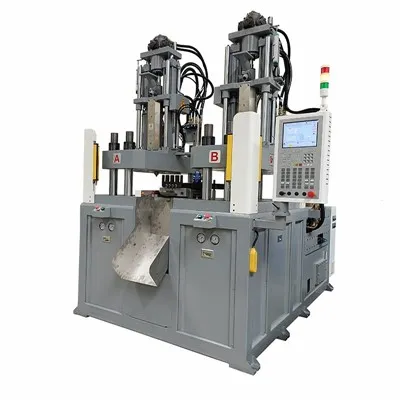
Hey there, if you’re in the market for a dual-station vertical injection molding machine (DSVIM), one question that’s almost always top of mind—after “can this machine handle my parts?”—is “how long does the warranty last?” I get it, right? When you’re dropping big money on a piece of equipment that’s supposed to crank out consistent parts day after day, a solid warranty isn’t just a nice-to-have—it’s your safety net if something goes sideways. As a supplier who’s been knee-deep in DSVIMs for years, I’ve had hundreds of customers ask this exact question, and the truth is, the answer isn’t one-size-fits-all. Let’s break it down like we’re chatting over coffee, no fancy jargon, no corporate speak, just the real deal. Dual-Station Vertical Injection Molding Machine

First off, let’s start with the basics: what a DSVIM even is, for anyone who might be new to this space. Unlike horizontal injection molding machines that lay flat, vertical ones stand upright—perfect for insert molding, overmolding, or parts that need to be stacked, like small automotive components, electronic connectors, or even medical device parts. Dual-station means two molding units (or two workstations) running at the same time, so you can basically double your output without needing a second machine. That’s why they’re so popular with small to mid-sized manufacturers, and even big ones looking to optimize their shop floor space.
Now, back to warranties. Let’s cut through the noise: the standard warranty I offer for my DSVIMs is 12 months, and that covers parts and labor for any manufacturing defects—stuff like a faulty control panel, a leaky hydraulic seal that’s from bad machining, or a misaligned mold mount that shows up before you even start production. But wait, that’s not the end of it. A lot of suppliers will split their warranties into different parts, right? The electrics, hydraulics, and mechanical components? For example, the servo motors and PLC (those are the brains of the machine) might have a longer warranty—some go up to 18 months—because those are the parts we know hold up better with regular use. The heating barrels and screw assemblies? Those are wear parts, so their warranty is shorter, usually 6 months, because they rub against plastic all day, every day. That makes total sense—you don’t expect a pair of running shoes to last as long as a winter coat, same logic here.
But here’s the thing: my warranty isn’t just a piece of paper I send when the machine is delivered. I tweak it based on how the customer uses the machine, too. If you’re a shop that runs your DSVIM 24/7 for high-volume production (like 3 shifts, no downtime), I’ll work with you to extend the core mechanical warranty to 15 months, because I know you’re pushing the machine harder than a hobbyist who runs it 8 hours a day, 5 days a week. I also offer optional extended warranties—some customers take 2-year, even 3-year coverage for parts and labor, because they want to lock in their costs and avoid unexpected repair bills down the line. That’s a big one for new manufacturers who are still building their cash flow; an extended warranty takes the stress out of unexpected breakdowns.
Wait, let’s talk about what the warranty actually covers, because a lot of people gloss over that and get burned later. My standard warranty doesn’t cover misuse, right? If you run the machine with plastic resin that’s way too abrasive for the barrel, or if you skip routine maintenance (like lubricating the guide rails or changing the hydraulic filter), and that causes a part to break? That’s on you. Or if you try to modify the machine on your own, swap out parts with generic ones that aren’t made for DSVIMs, or hire a random tech instead of my certified service team to fix a problem? The warranty’s out the window. I always make sure to go over this with customers before they sign—no hidden clauses, no fine print. I want them to know exactly what’s expected so we don’t have miscommunication later.
I’ve seen way too many horror stories from customers who bought cheap DSVIMs from no-name suppliers, only to get a 3-month warranty that doesn’t cover anything, and when the machine breaks 4 months in, the supplier ghosts them. That’s why I’m upfront with my warranty terms from day one. For example, last year I had a customer making small medical syringes—they run their DSVIM 2 shifts a day, 6 days a week. After 10 months, their hydraulic pump started acting up. I got a tech out there in 2 days, replaced the pump under warranty, and they were back up running in 4 hours. No extra cost, no hassle. That’s the kind of service that matters, not just the warranty length.
Another point: the warranty period starts when the machine is delivered and installed, not when you pay for it. That’s another common mix-up. If I ship a machine to a customer, it takes 2 weeks to get through customs and get set up in their shop, the warranty doesn’t start until the day a certified tech turns it on and signs off that it’s working correctly. That way, a long shipping delay doesn’t eat into your coverage time. I know how frustrating it is when you pay for a machine, wait 3 months for it to arrive, then have only 9 months of warranty left—so I make sure that start date is clear.
What about different types of DSVIMs? I make both standard dual-station vertical machines and some custom ones for specific jobs—like insert molding machines for automotive parts, or overmolding for electronics. For custom builds, I’ll adjust the warranty based on the components I use. If I’m using high-end servo drives from a reputable brand, their warranty backs my machine’s, so that part of the coverage goes up to 18 months. If a customer is molding high-temperature engineering plastics, I’ll make sure the heating elements are rated for that, and their warranty covers them for 8 months instead of the standard 6. It’s all tailored, because one size doesn’t fit when you’re building a machine for a unique production line.
Let me also mention: routine maintenance is part of keeping your warranty valid. I send every customer a free maintenance checklist when they take delivery—simple stuff, like checking oil levels, cleaning the mold mounts, calibrating the injection pressure every month. It takes 15 minutes a week, and it not only keeps your machine running smoothly but also ensures your warranty stays active. Last month, a customer called me panicking because their machine’s mold wasn’t lining up right. I asked if they’d done their monthly calibration, and they said they forgot. I told them to do it right away, and the problem was fixed—no service call needed, and their warranty was still good. That’s way better than jumping straight to a repair.
Now, if you’re shopping around, here’s a tip: don’t just look for the longest warranty. A 5-year warranty that only covers 10% of parts is useless. Look at what’s included in the warranty, how fast the supplier can get a tech out to you (mine’s usually 24-48 hours for domestic customers), and if they have a track record of honoring their warranties. I’ve been in this business for 12 years, and I’ve never turned down a valid warranty claim—because I stand behind the machines I build. If a customer’s machine breaks for a reason that’s my fault, I fix it, no questions asked.
At the end of the day, the warranty period for a DSVIM isn’t just a number—it’s a promise. When you invest in a machine to grow your business, you need to know that if something goes wrong, you’re not on the hook for thousands in repairs. For my dual-station vertical injection molding machines, that promise starts with a solid 12-month core warranty, flexible to your production needs, clear on what’s covered, and backed by a team that’s here when you need them.
If you’re curious about more details, want to ask about customizing a warranty for your production line, or just have questions about how a DSVIM can fit your shop, hit me up. I’m here to help you make the right choice for your business, no sales pitch, just honest answers.
All-Electric Vertical Injection Moulding Machine References
- Society of Plastics Engineers. (2022). Vertical Injection Molding Machine Standards & Warranty Best Practices. Plastics Equipment Association Journal.
- Global Industrial Machinery Manufacturers Association. (2023). Warranty Terms for Injection Molding Equipment: A Buyer’s Guide. Industrial Equipment Review.
- Domestic Service & Repair Association. (2024). On-Site Warranty Turnaround for Industrial Injection Molding Machines. Service Industry Report.
Guangdong Baizan Intelligent Equipment Co., Ltd.
Address: No.8, Jianye Road, Dahuai Town, Enping City, Jiangmen City, Guangdong
E-mail: wjx@baizanjx.com
WebSite: https://www.baizanplast.com/
